
Guide
How to Set Up Your Listening Room
The turntable is only half the story. Here's everything else you need — furniture, speakers, stands, and cables — to build a room that sounds as good as it looks.
12 min read · Updated November 1, 2024
Most vinyl guides stop at the turntable. Buy the deck, get the cartridge sorted, maybe invest in a phono preamp — and call it done. But the room around your setup matters as much as the gear inside it. A great turntable on a wobbling shelf, pointed at a wall, through speakers sitting flat on a desk, will always sound worse than it should.
This guide covers the other half: furniture, speaker placement, isolation, and the one cable everyone forgets to buy.
The furniture question
Before anything else, your turntable needs a stable, level surface. Motor vibration, footsteps, and low-frequency room resonance all find their way into the stylus through a bad surface. A dedicated turntable table — one built for the purpose — solves this entirely.
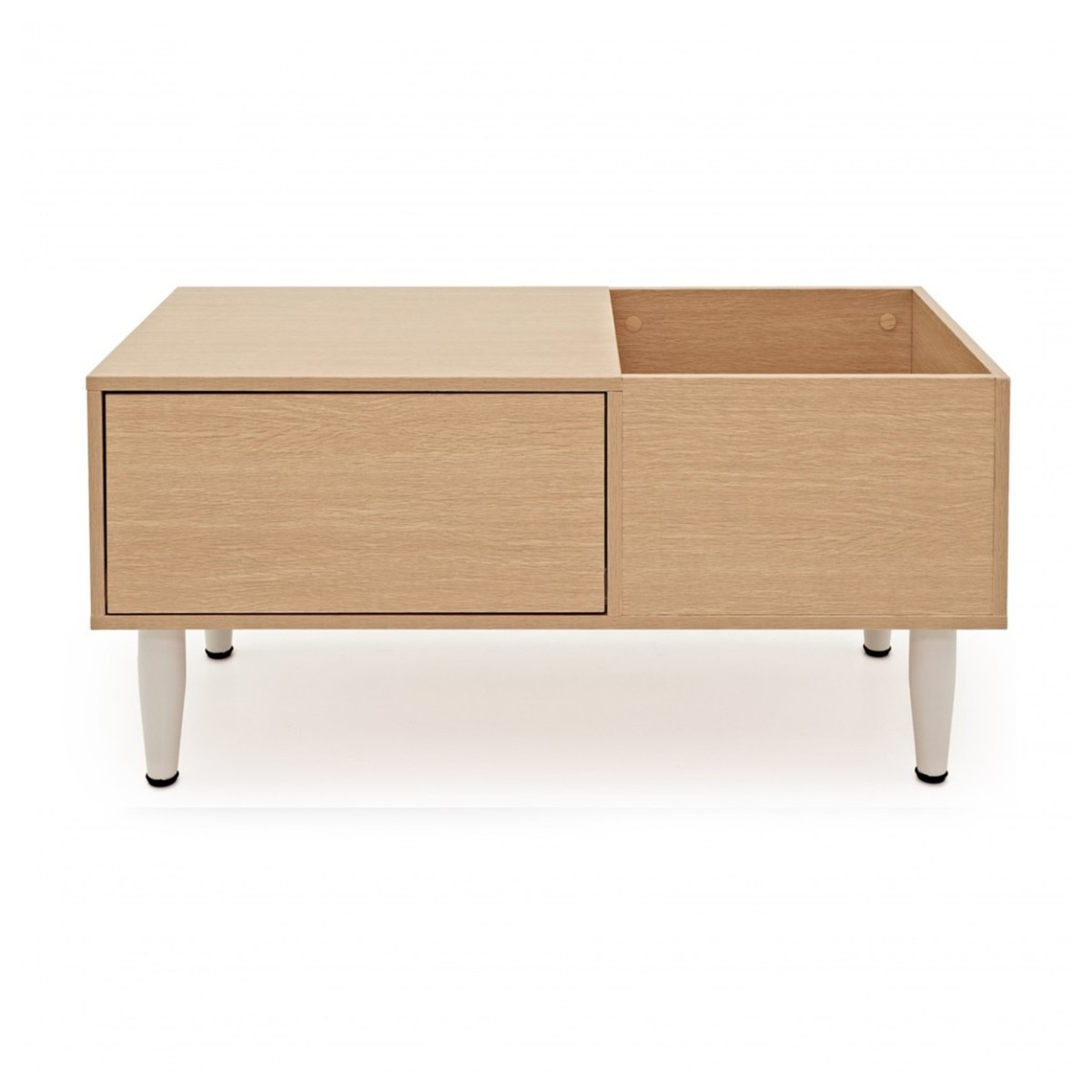
The modul range from Gear4Music is the best value option we've found for a complete vinyl-forward setup. It's designed specifically for vinyl listeners: a shelf for the deck, integrated record storage below, and clean Scandinavian proportions that look right in a room rather than in a studio.
Our pick
modul Turntable Table — Oak
£99.99 · Stores up to 40 LPs below the deck
Check price at Gear4Music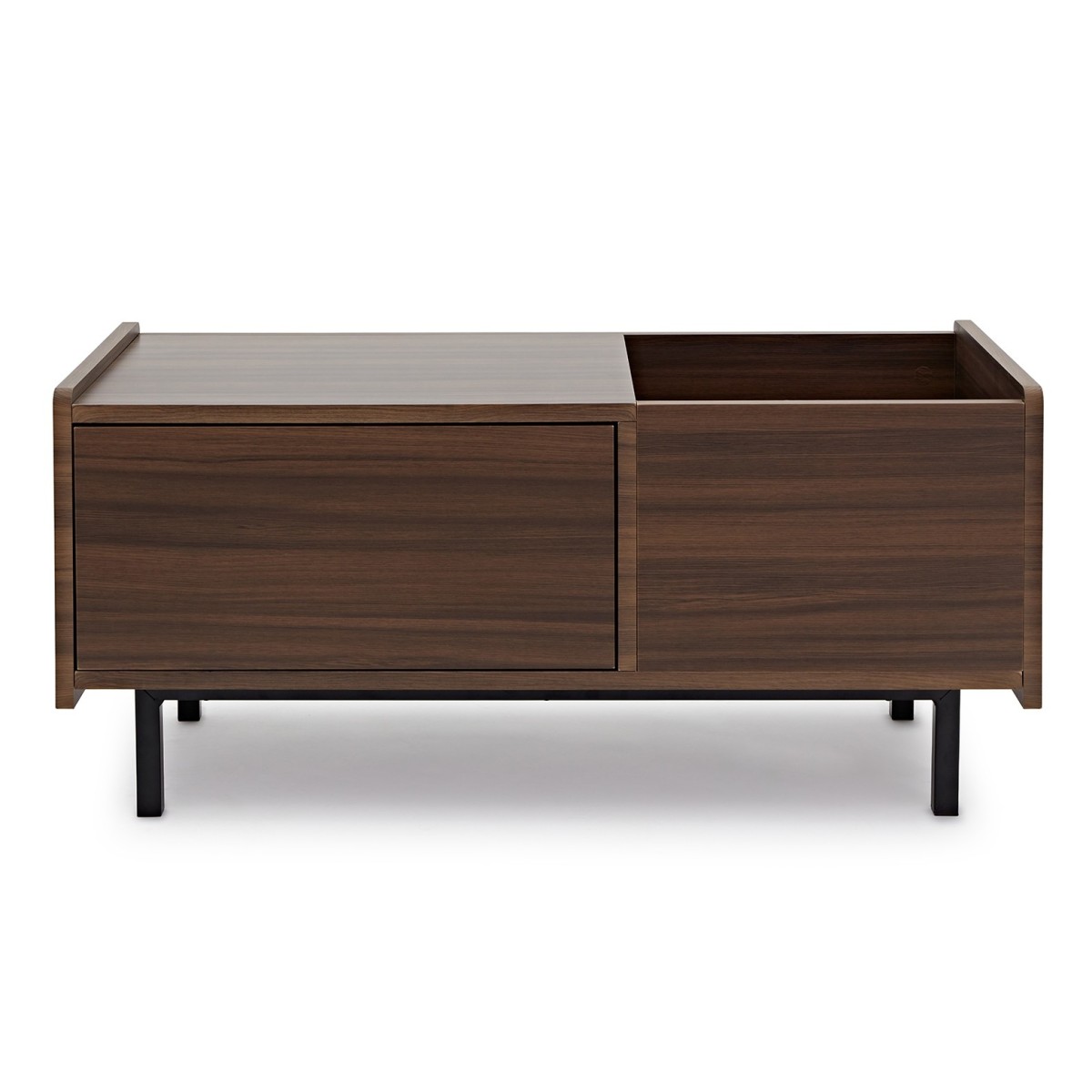
Also available
modul Turntable Table — Walnut
£99.99 · Warmer tone, same footprint
Check price at Gear4Music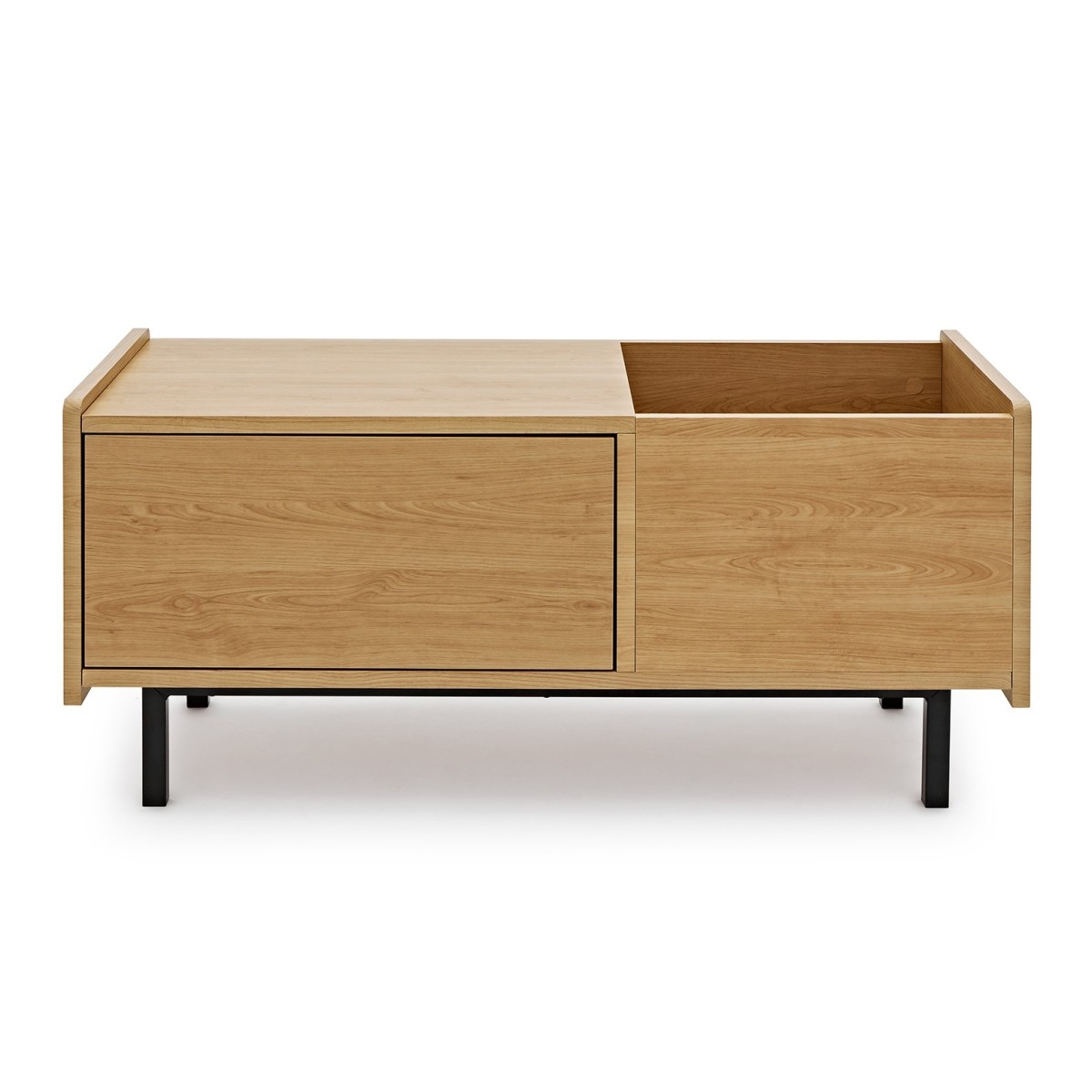
Also available
modul Turntable Table — Light Oak
£99.99 · Lighter finish for modern rooms
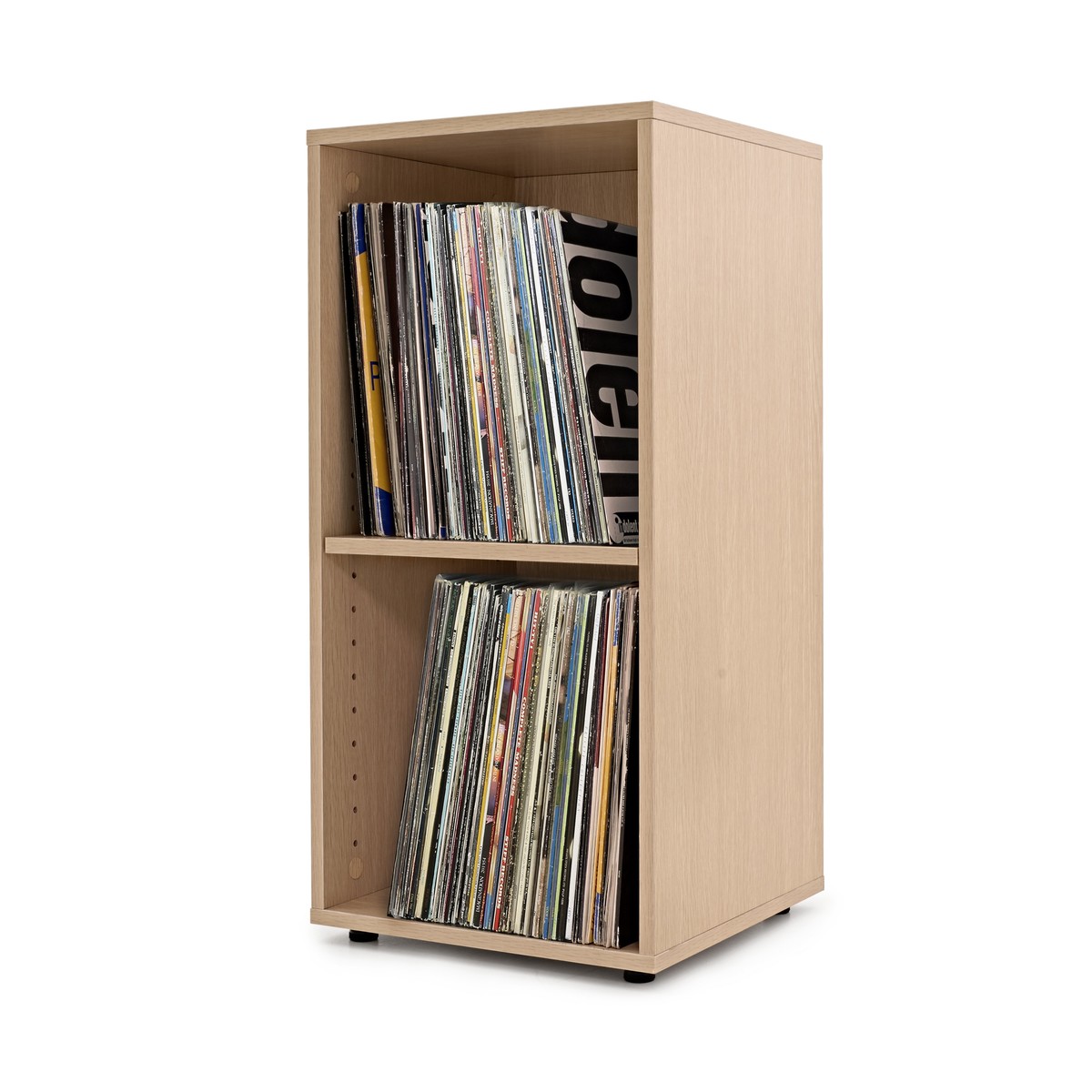
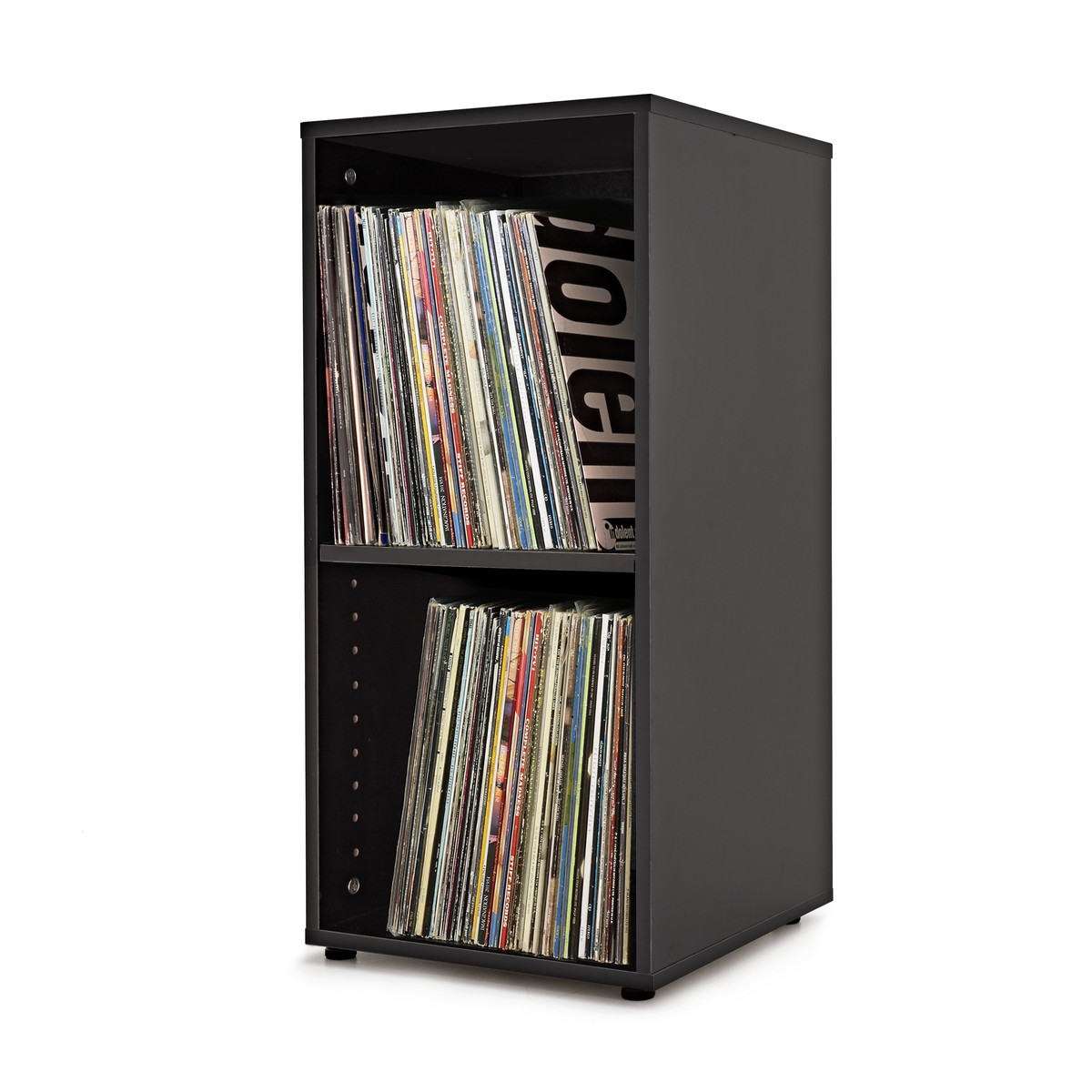
Check price at Gear4MusicIf your collection has already outgrown one shelf, the modul LP Cabinet gives you dedicated record storage that matches the table exactly. It holds around 80 LPs upright, which is the right way to store vinyl — never stacked flat.
Speaker placement: the single biggest upgrade you're not making
Most people place their speakers wherever there's space. This is almost always wrong.
The goal is an equilateral triangle: both speakers and your listening position at equal distances, speakers toed in slightly toward your ears. Tweeters at ear height. No speaker pushed against a wall — bass frequencies build up in corners and against surfaces in ways that muddy everything else.
Getting your speakers to the right height is where stands come in. If your setup is on a desk or shelf, desktop stands that raise monitors to ear level make an immediate, audible difference. If your speakers are freestanding, floor stands give you full placement flexibility.
If your speakers are on a desk or shelf
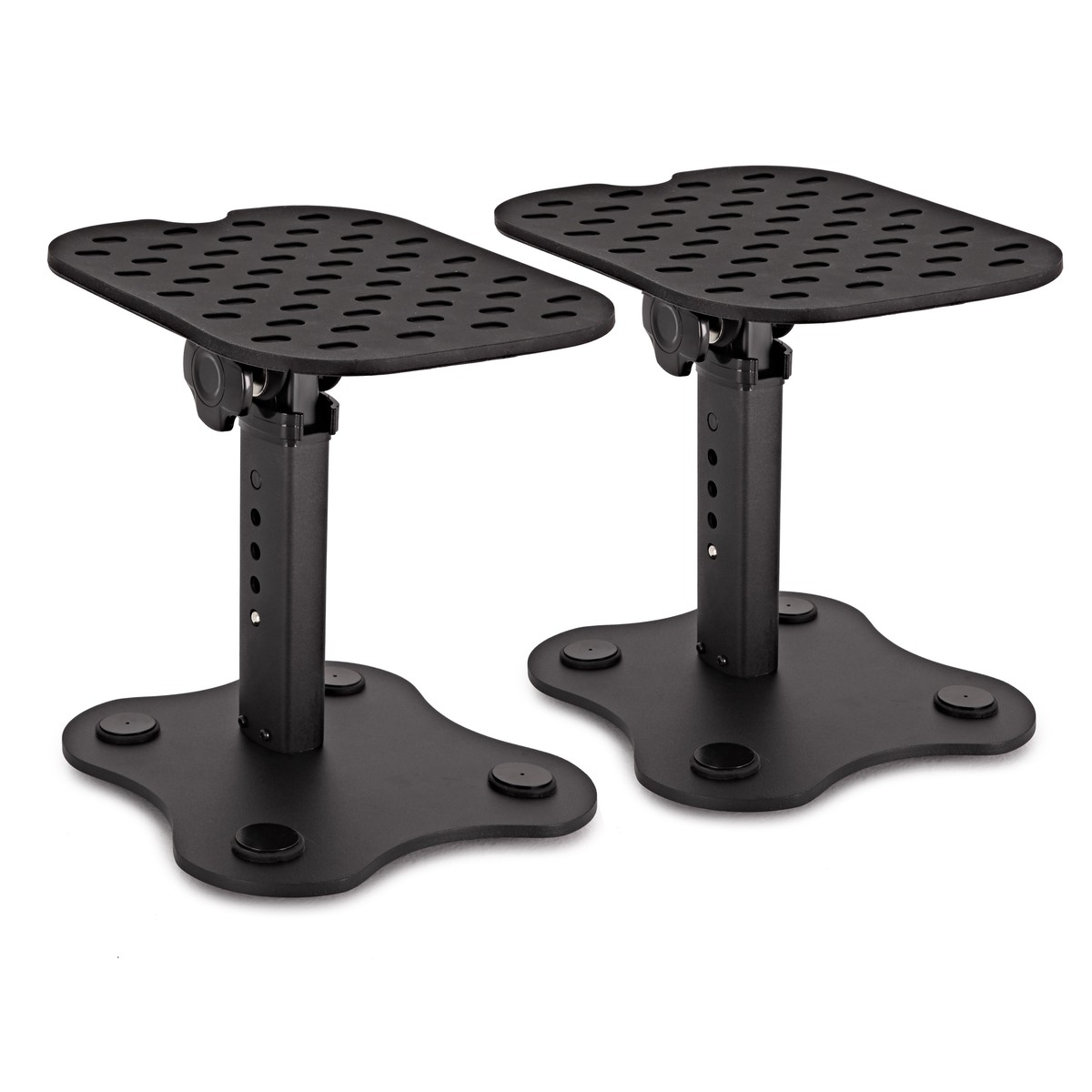
Best for shelves
Deluxe Tilting Desktop Stands
£59.99 pair · Tilt adjustable, holds up to 30kg per stand
Check price at Gear4Music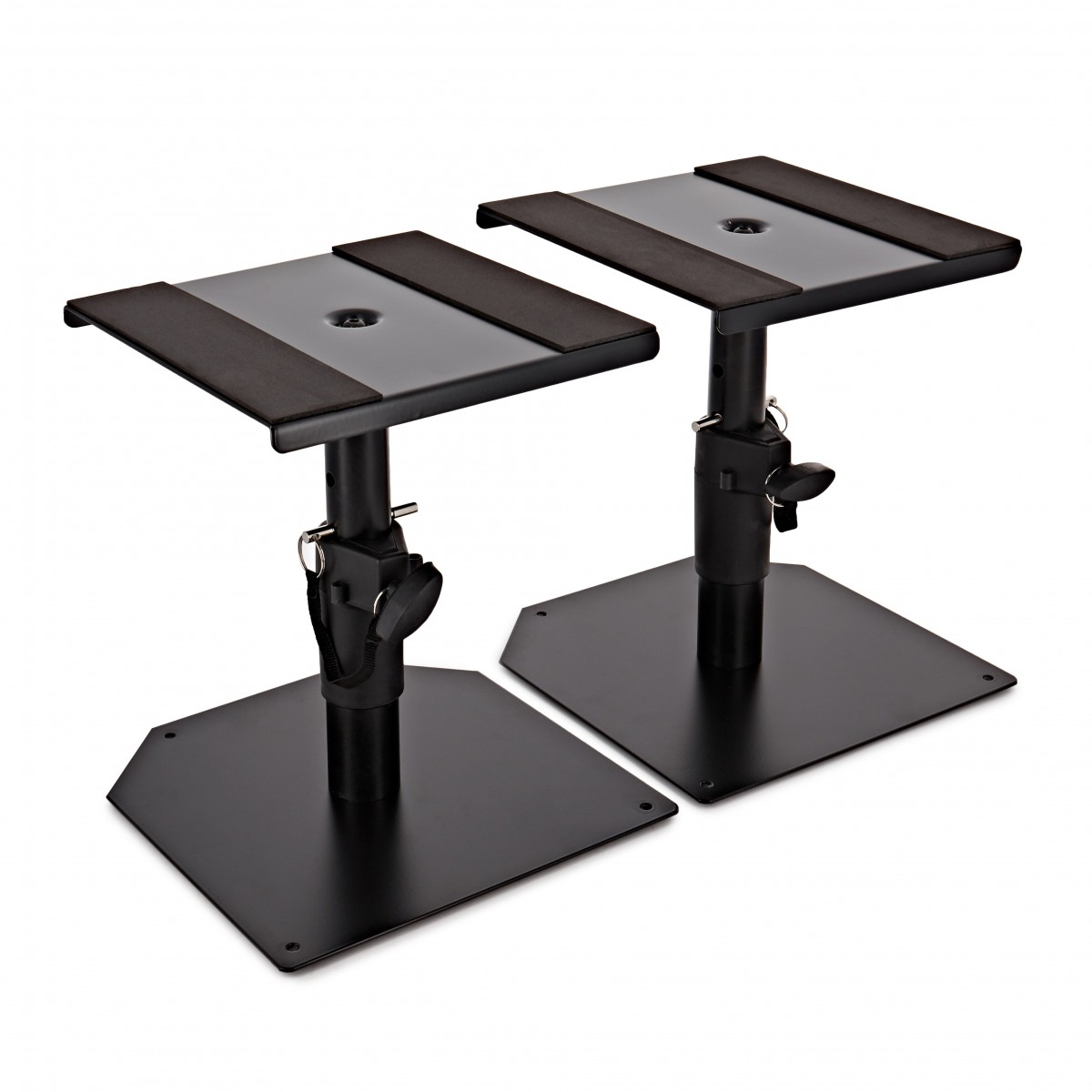
Budget option
Desktop Monitor Stands
£29.99 pair · Fixed height, simple and solid
Check price at Gear4MusicIf your speakers are freestanding
Our pick
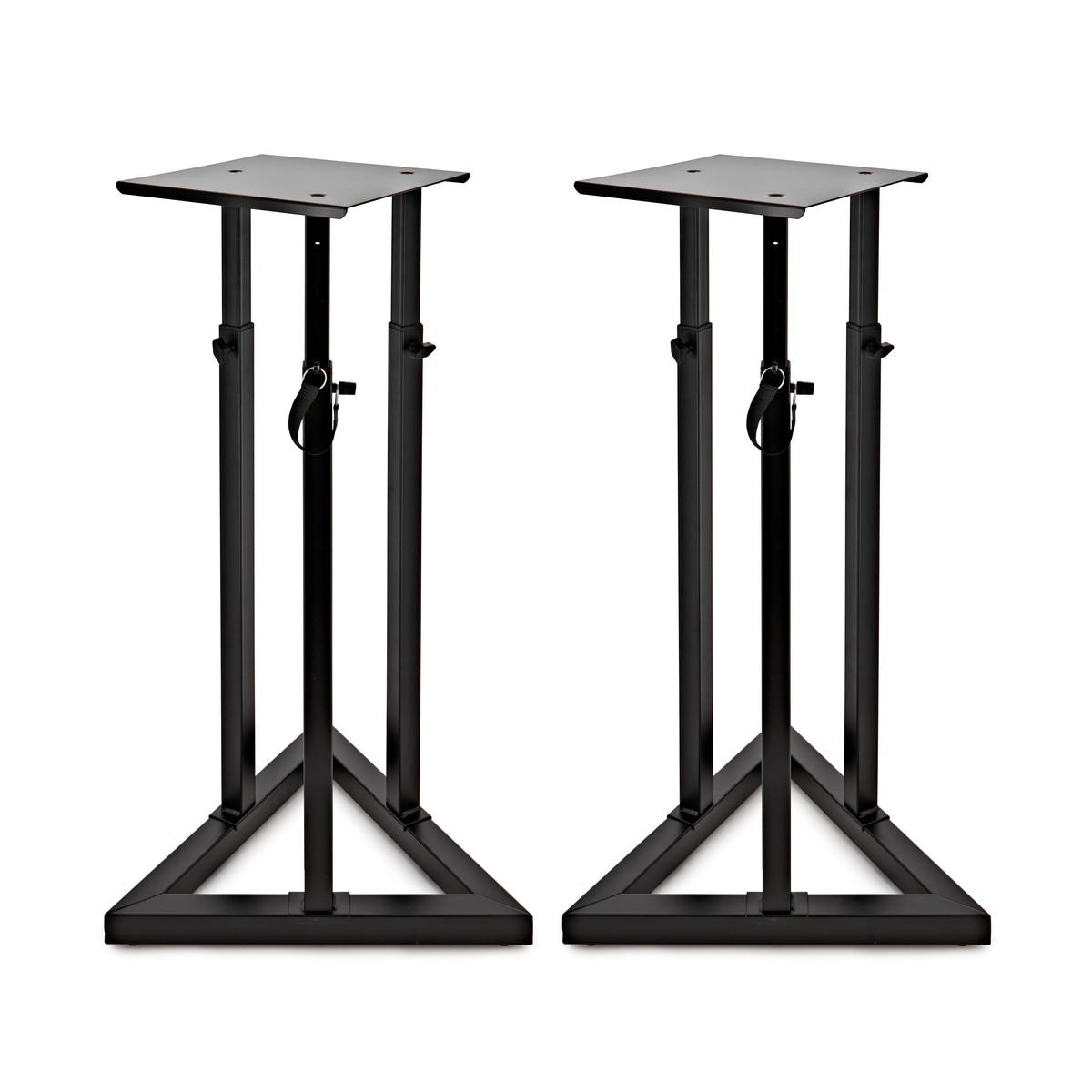
Adjustable Monitor Stands Pair
£99.99 · Height adjustable — place them exactly right
Check price at Gear4Music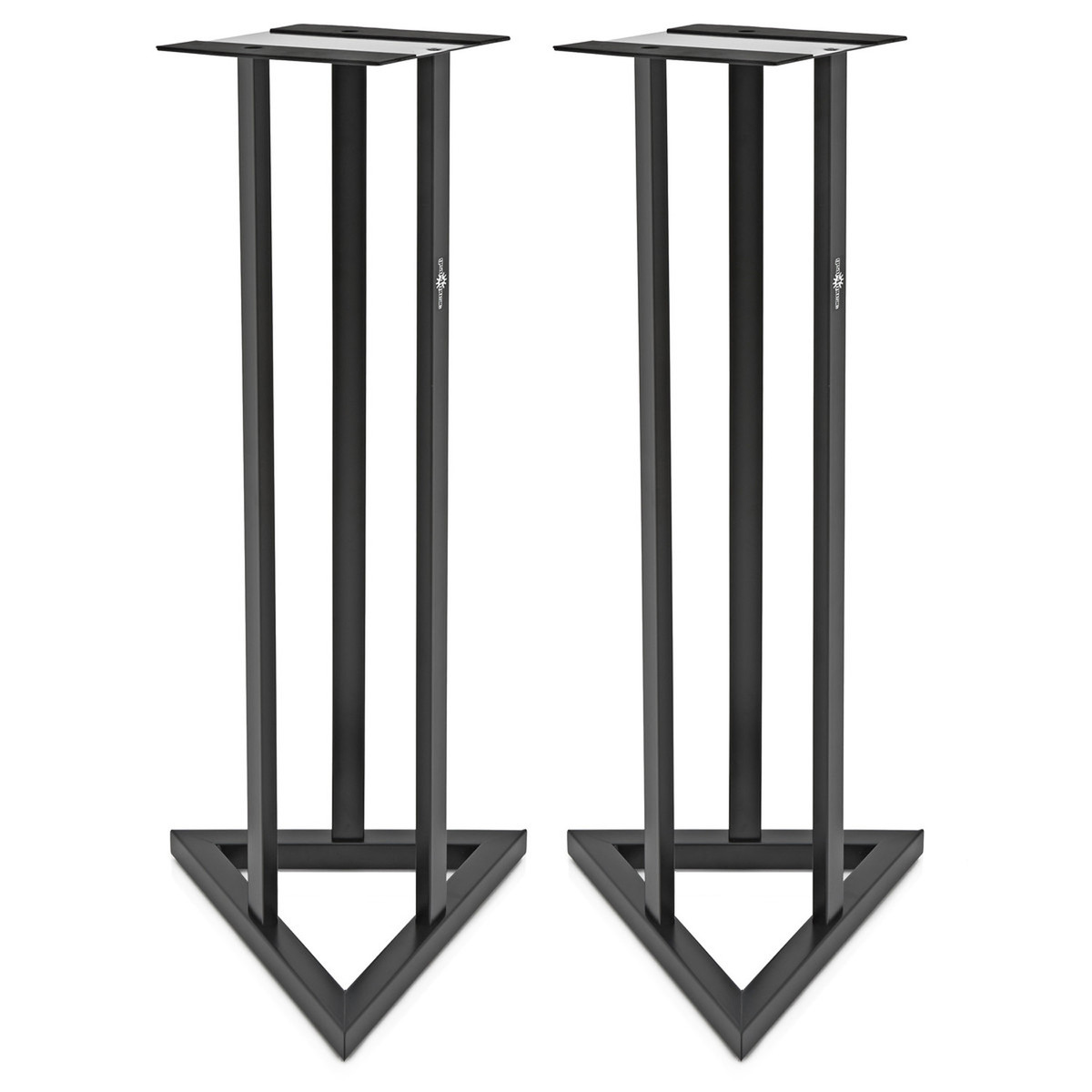
Also available
Fixed Height Monitor Stands Pair
£79.99 · Solid, stable, no moving parts
Check price at Gear4MusicIsolation pads: the £17 upgrade that sounds like £200
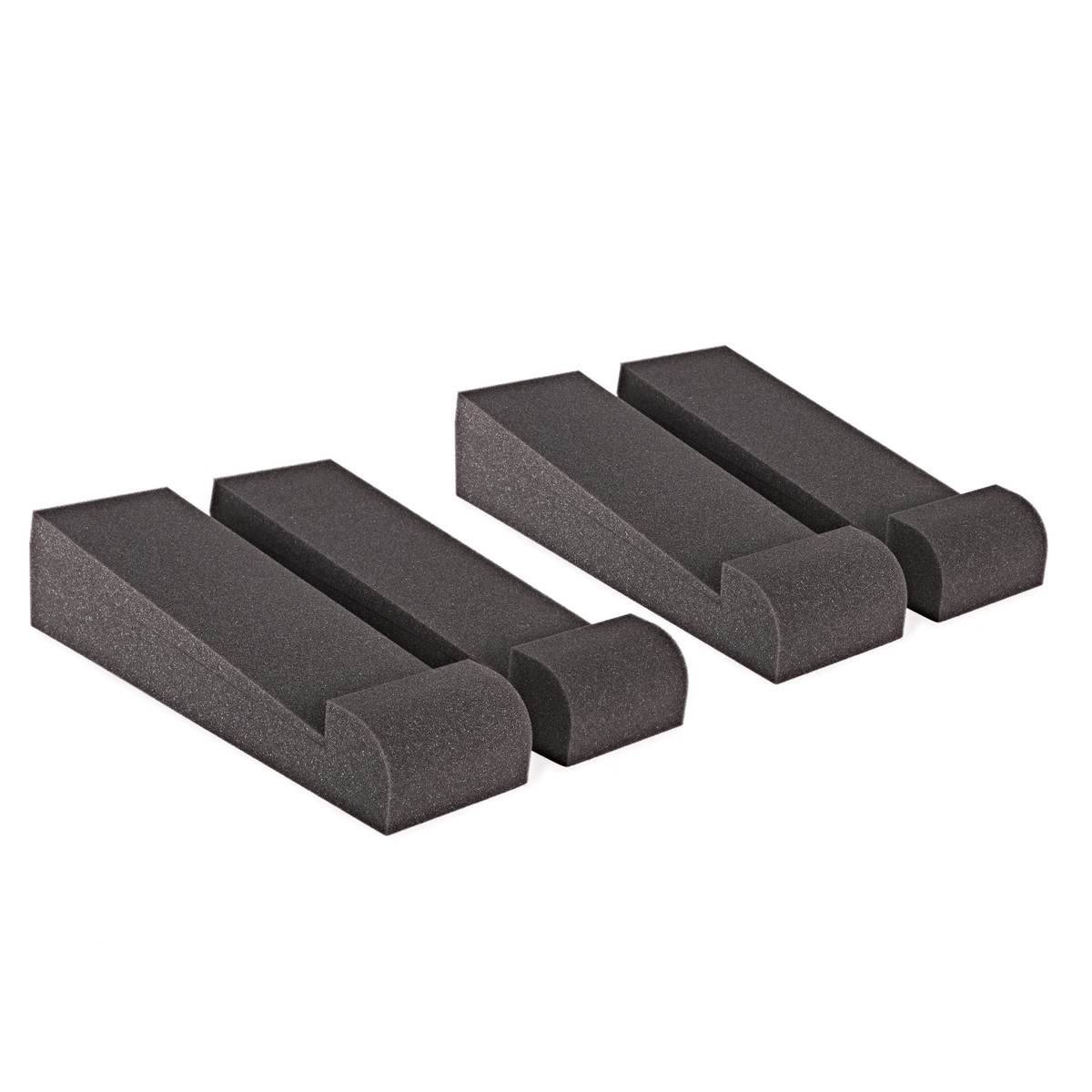
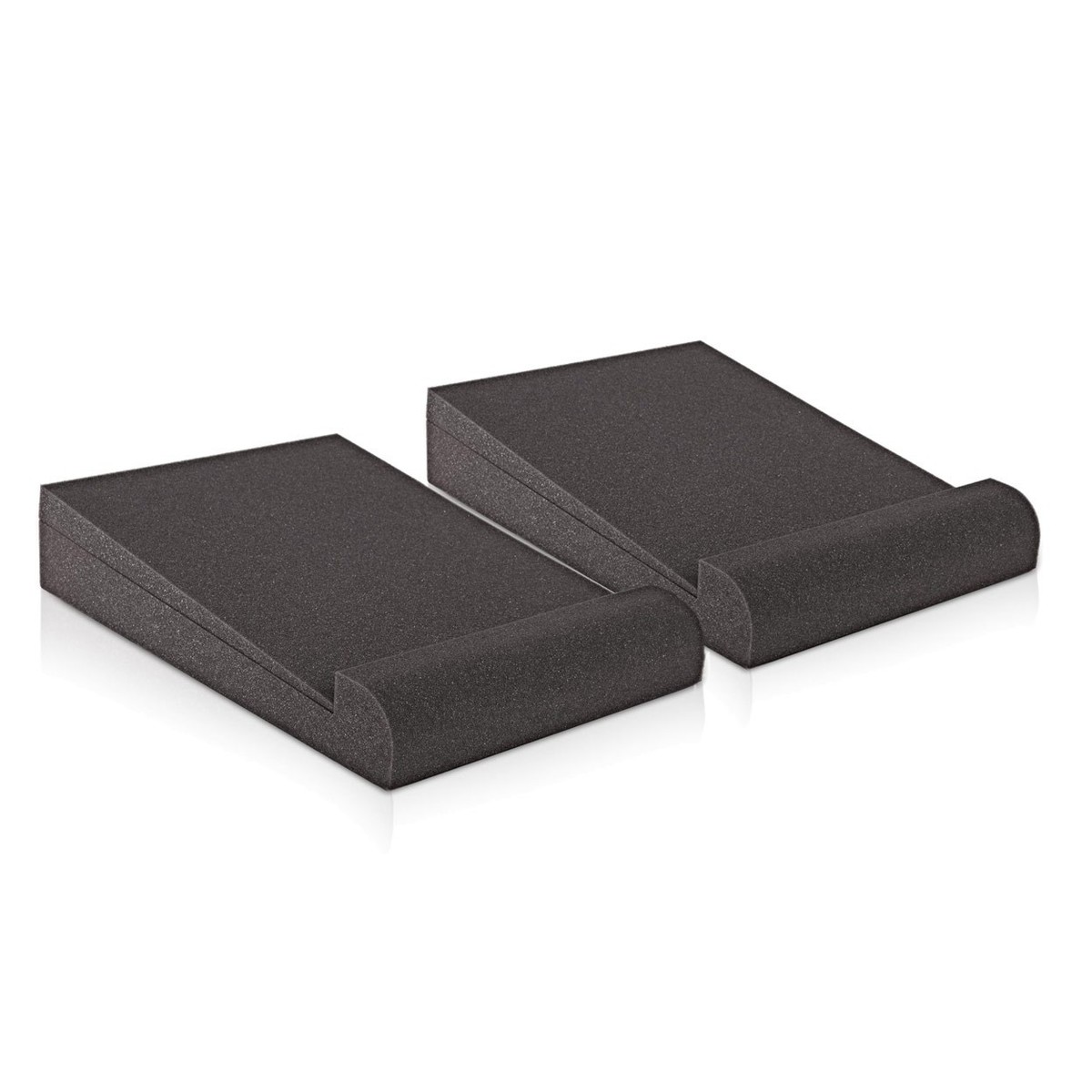
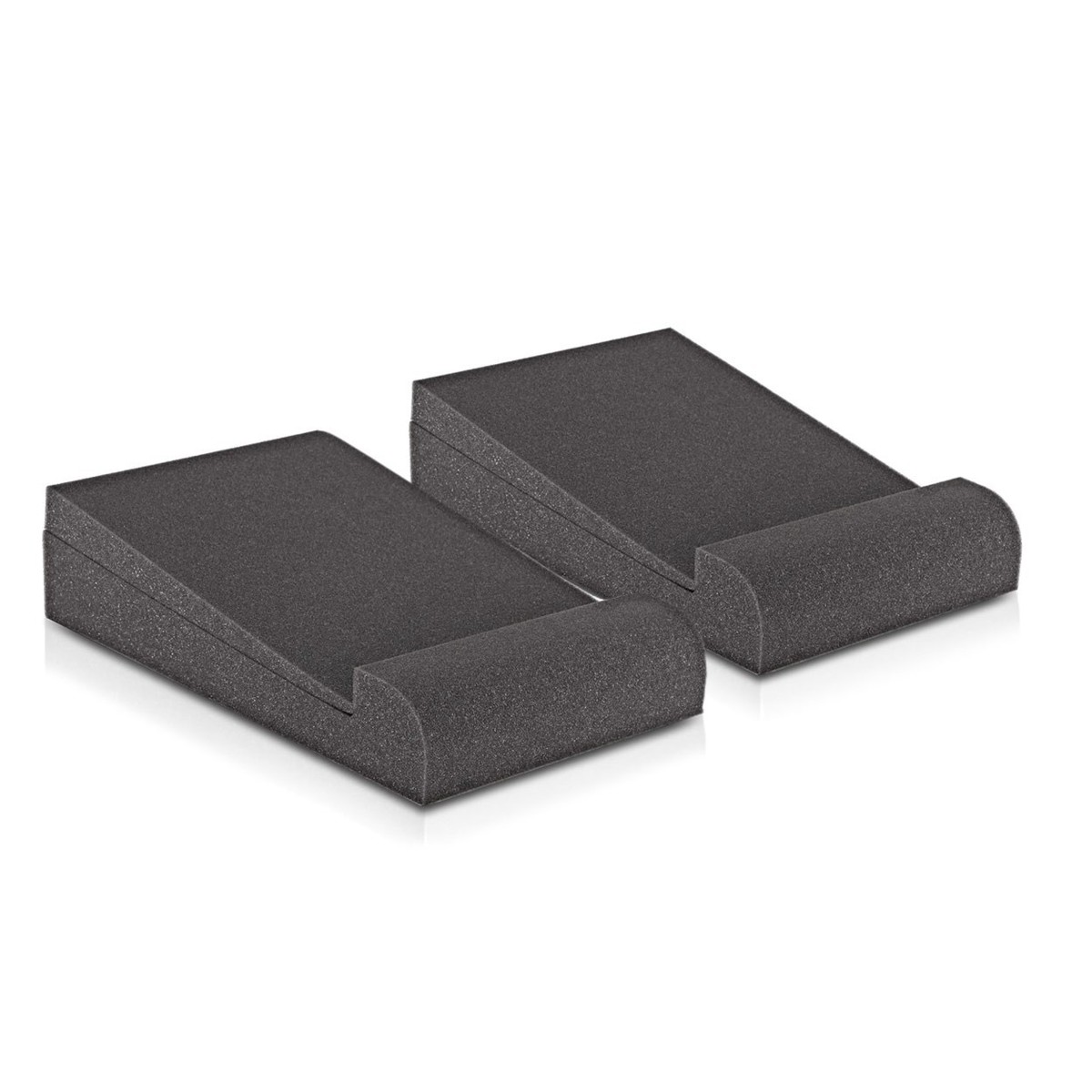
Even on stands, a speaker sitting directly on a hard surface transfers vibration into it. That vibration bounces back into the speaker cabinet and muddies the low end. Isolation pads — dense foam placed between the speaker and the surface — absorb that energy before it can cause problems.
This is one of the most cost-effective acoustic improvements you can make. The difference is audible immediately on bass-heavy records.
Measure the bottom of your speaker. 5-inch pads suit most compact monitors (KEF LSX, Yamaha HS5, Adam T5V). 6-inch pads suit larger monitors. Universal pads work on anything.
The cable everyone forgets
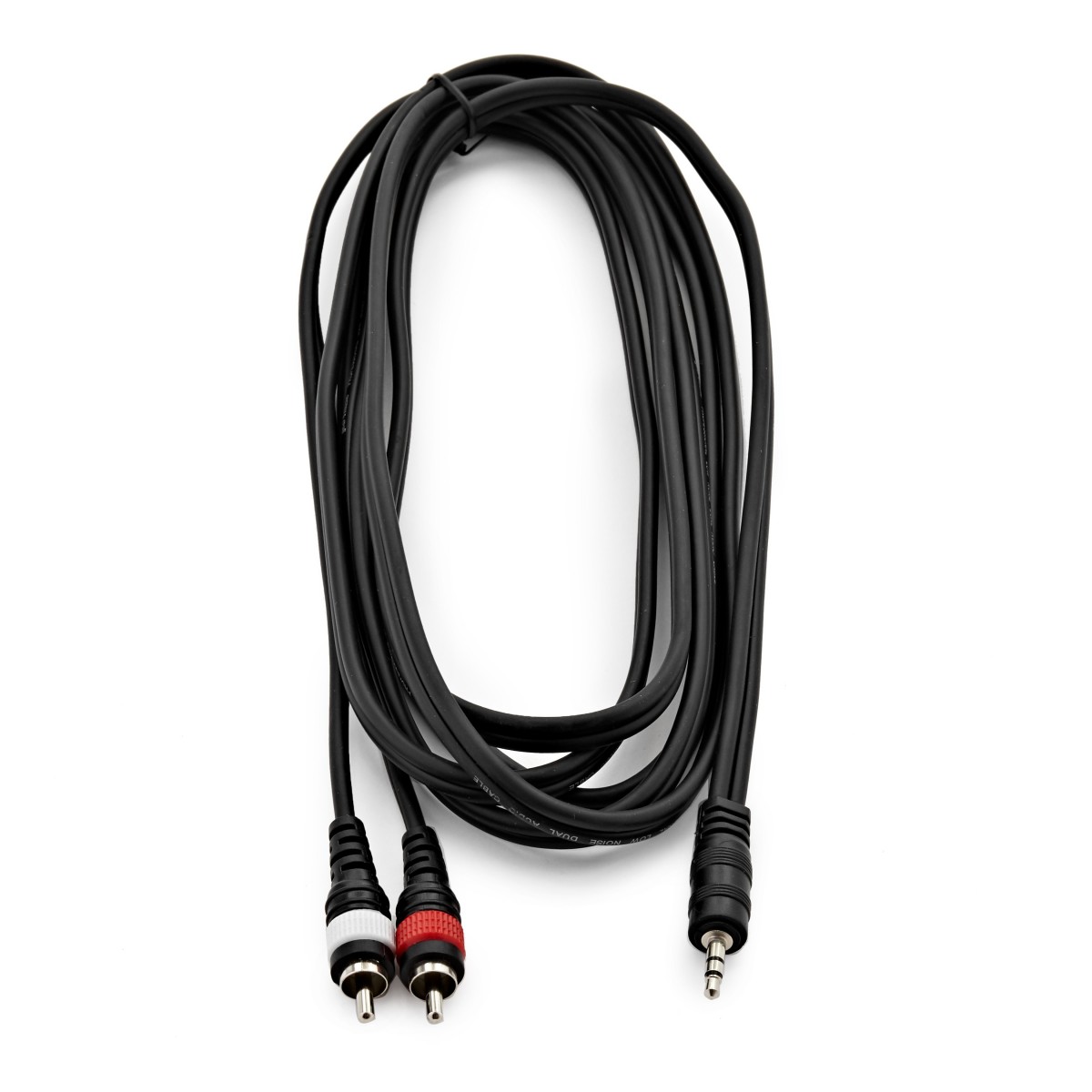
If you're connecting a turntable (or phono preamp) with a 3.5mm headphone output to powered speakers with RCA inputs — or the other way around — you need a stereo minijack to RCA phono cable. Most people realise this the moment everything is set up and they can't connect the last two pieces.
For serious setups: the modul studio desks
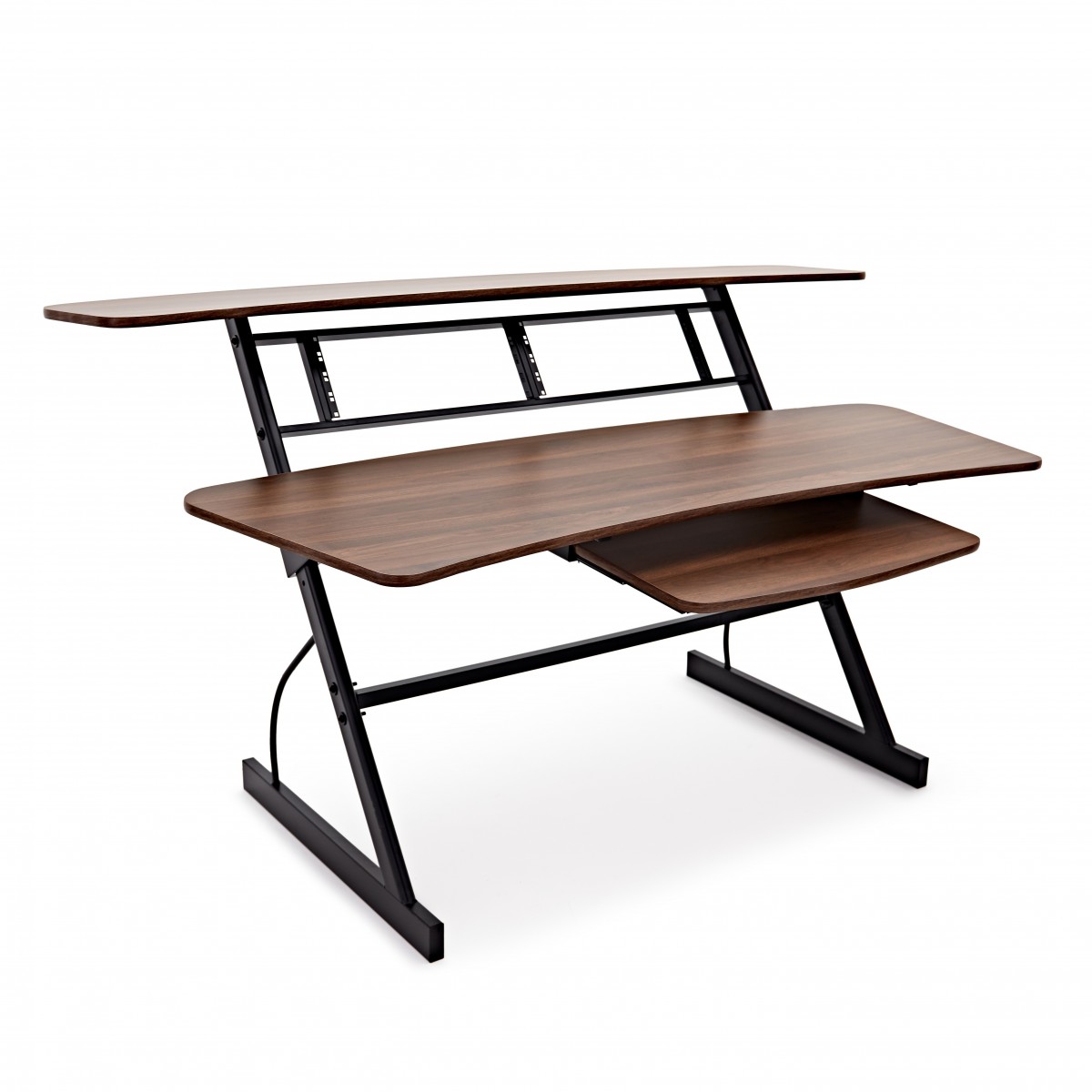
If your collection and equipment have grown beyond a single table, the modul studio desk range gives you a full listening station — multiple tiers for a turntable, amplifier, phono preamp, and speakers, with cable management built in. The walnut finish in particular looks exceptional in a dedicated listening room.
Full setup
modul Large Three Tier Desk — Walnut
£299.99 · Turntable + amp + preamp, all in one unit
Check price at Gear4Music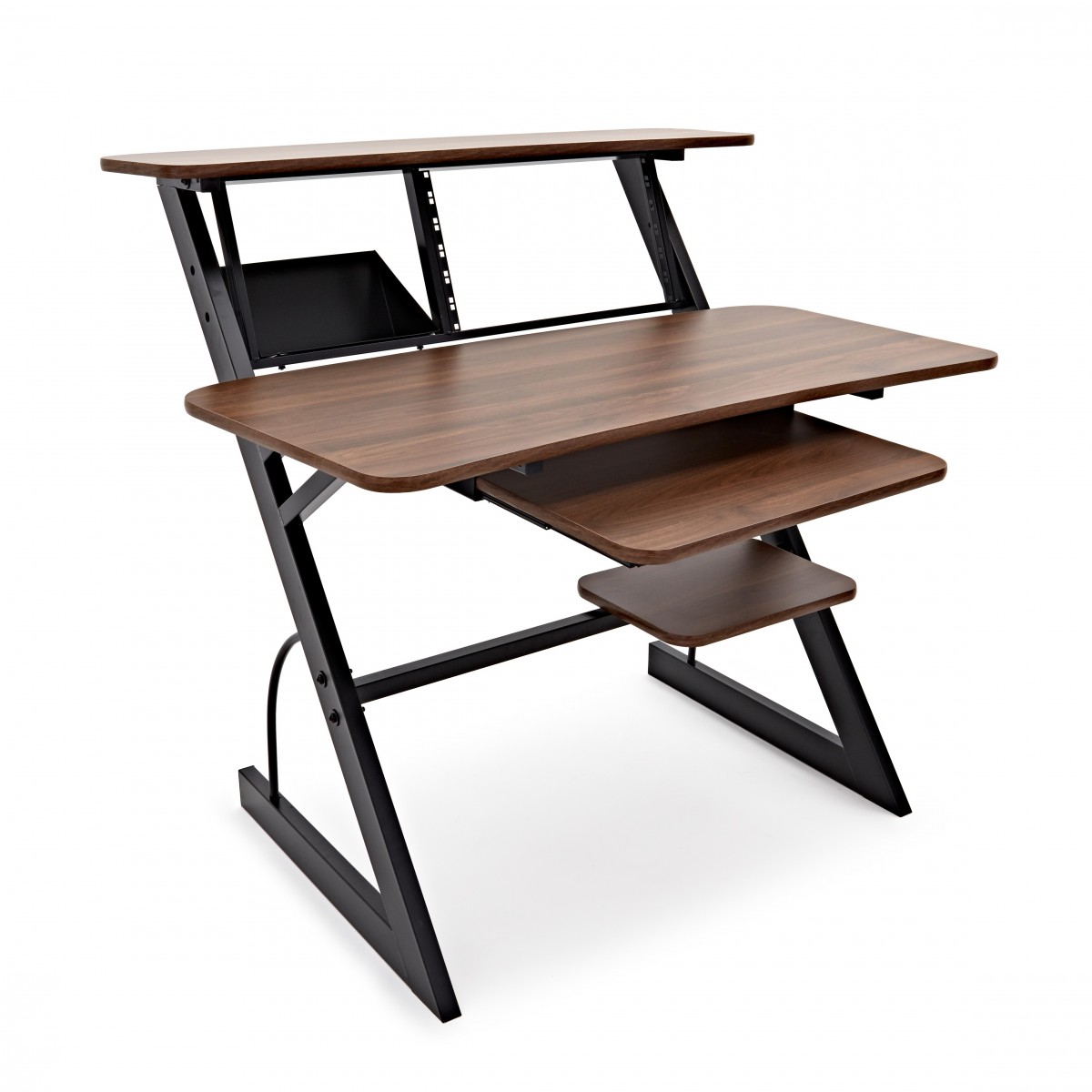
Maximum storage
modul Four Tier Desk — Walnut
£199.99 · Four tiers, compact footprint
Check price at Gear4MusicThe complete shopping list
| Item | Purpose | Price | Link |
|---|---|---|---|
| modul Turntable Table | Stable surface + built-in LP storage | £99.99 | See options |
| modul LP Cabinet | Collection storage (80 LPs) | £69.99 | See options |
| Desktop Monitor Stands | Raise speakers to ear height | £29–£99 | See options |
| Monitor Isolation Pads | Decouple speakers from surface | £14–£17 | See options |
| MiniJack to RCA Cable | Connect turntable/preamp to speakers | £5.99 | Get it |
Total for the essentials: around £220. Your records will thank you.
The Weekly Listening Note
Every Sunday. One record.
The story behind it, the best pressing to own, where to find it. No fluff.
Free. Unsubscribe any time. We never share your address.
Disclosure: Soundorabilia participates in affiliate programs. When you buy through links on this site, we may earn a commission at no extra cost to you.